
What it Takes to Build a School Farm Community
Looking beyond the garden beds.
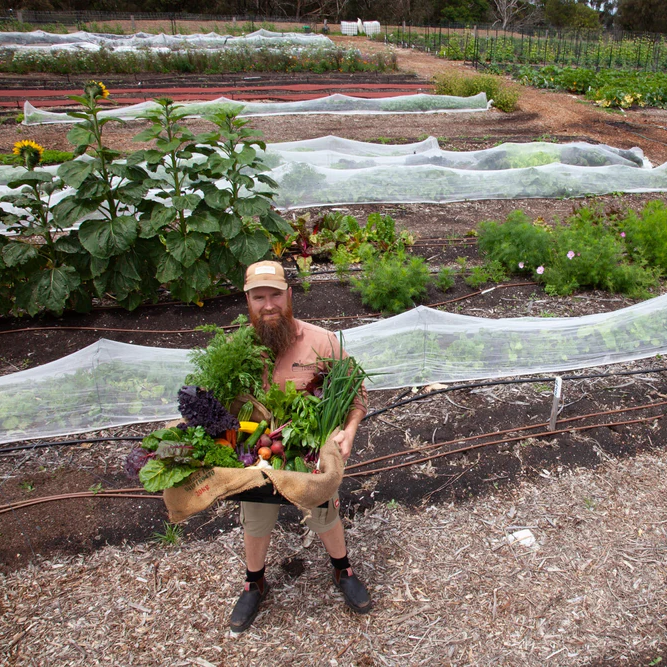
From the outside, a school farm can look simple. Raised beds. Students planting seedlings. Volunteers pulling beetroots from the soil. Fresh produce packed into boxes.
But what people see on the surface is only a fraction of what it takes to make a school farm work – and more importantly, to make it last.
At Farm My School, building a school farm is not just about establishing garden beds. It’s about building a system that can hold education, food production, community engagement and long-term resilience all at once.
That takes time, structure, governance, diverse revenue and the right partnerships.
Here’s what sits behind a thriving school farm community.
Community Doesn’t Grow Overnight
A school farm is not a project you launch and walk away from.
It takes years to establish trust, routines, relationships and capability.
Students need time to learn.
Soil needs time to regenerate.
Schools need time to integrate programs into curriculum.
Communities need time to understand what the farm is for – and how they belong.
In the early stages, the work is often invisible. Planning, meetings, training, problem-solving. The visible results come later.
Sustainable community infrastructure grows slowly, but it grows strong.
More Than a Garden, It’s a Changed System
For a school farm to function long term, it needs clear structure.
Who manages the farm?
How does it connect to the school timetable?
Who runs workshops?
Who coordinates volunteers?
Who packs veggie boxes?
Who promotes the model?
Without structure, the farm becomes dependent on a few passionate people. With structure, it becomes something the community can rely on.
At Farm My School, the farm operates as a working model — with defined roles, responsibilities and systems that allow education, production and community programs to run side by side.
Structure is what turns a good idea into something scalable.
Accountability Builds Trust
Because a school farm sits between education, community and food production, strong governance matters.
Schools need confidence that programs are educational.
Families need confidence that produce is grown responsibly.
Funders need confidence that resources are used well.
Partners need confidence that the work will continue.
Clear governance – through boards, policies, and reporting — allows the farm to grow without losing integrity.
It also makes it possible to attract serious support.
People invest in what they trust.
One Funding Source is Never Enough
A common misconception is that school farms survive on donations alone.
In reality, long-term resilience comes from a mix of income streams, including:
-
Funding and grants
-
Community contributions
This mix spreads the risk and keeps the farm active year-round.
Revenue isn’t just about money.
It’s about participation.
Every box packed, every workshop booked, every partnership formed is another thread holding the system together.
Shared Values Make it Work
A school farm only works when the people around it believe in the same purpose.
Schools need to value hands-on learning.
Partners need to value prevention, not just crisis response.
Funders need to understand that real change takes time.
Communities need to see the farm as being accessible.
When alignment is there, the farm becomes more than a program.
It becomes part of the local identity.
At Farm My School, partnerships are built around a shared belief that education, food and community belong together – and that schools can be powerful places to grow all three.
What You See is the Result, Not the Beginning
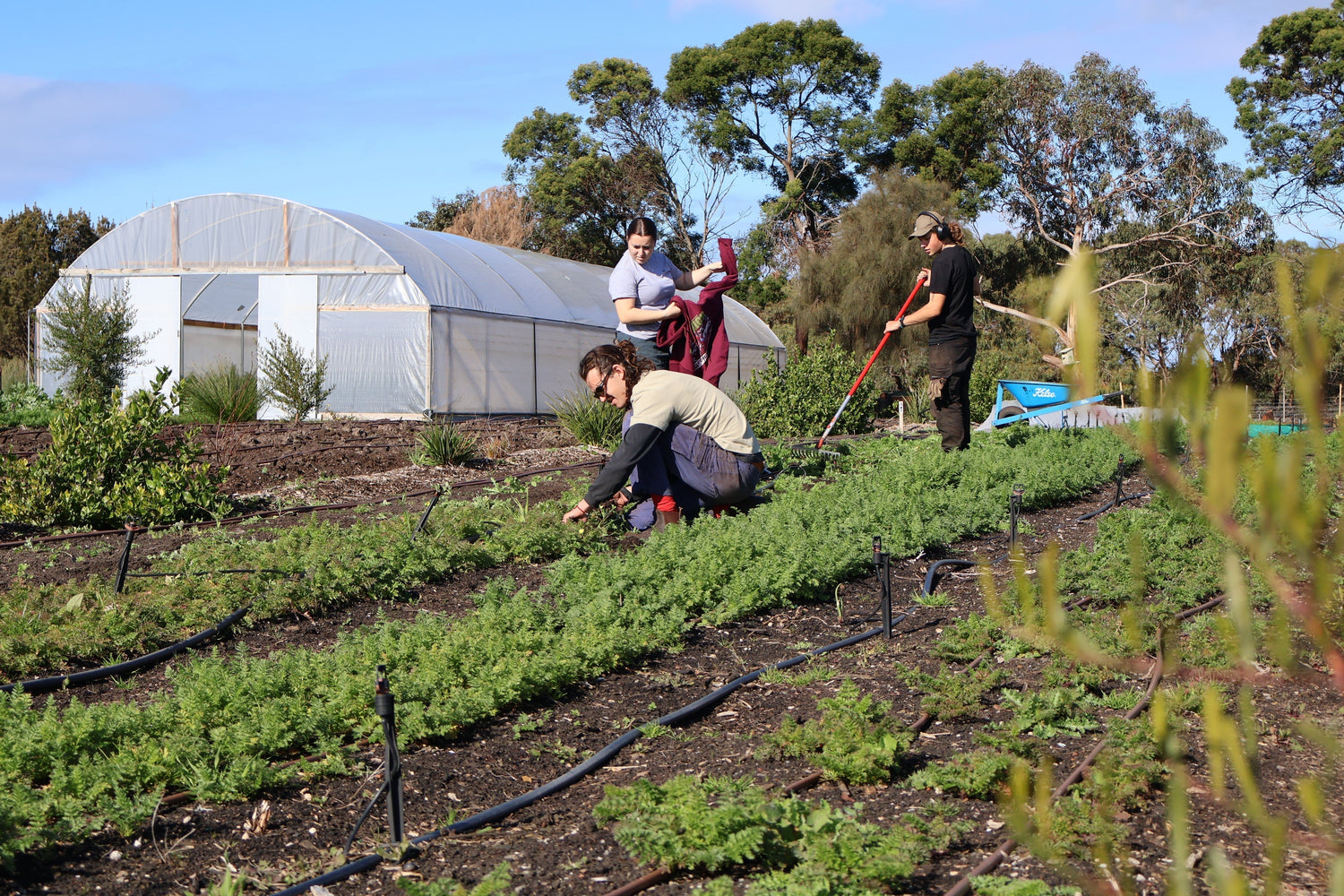
When you visit a school farm and see students harvesting vegetables, families collecting veggie boxes and volunteers working side by side, it can feel effortless.
It isn’t.
Behind every thriving school farm is years of planning, careful structure, strong governance, diverse support and deep partnership.
That’s what makes it sustainable.
That’s what makes it scalable.
And that’s what makes it worth building.
Subscribe to our newsletter and follow us on socials for news and announcements.